At Perito Urology, our goal has always been bigger than teaching surgical technique: We strive to shape physicians who become leaders, educators, and advocates for men’s health.
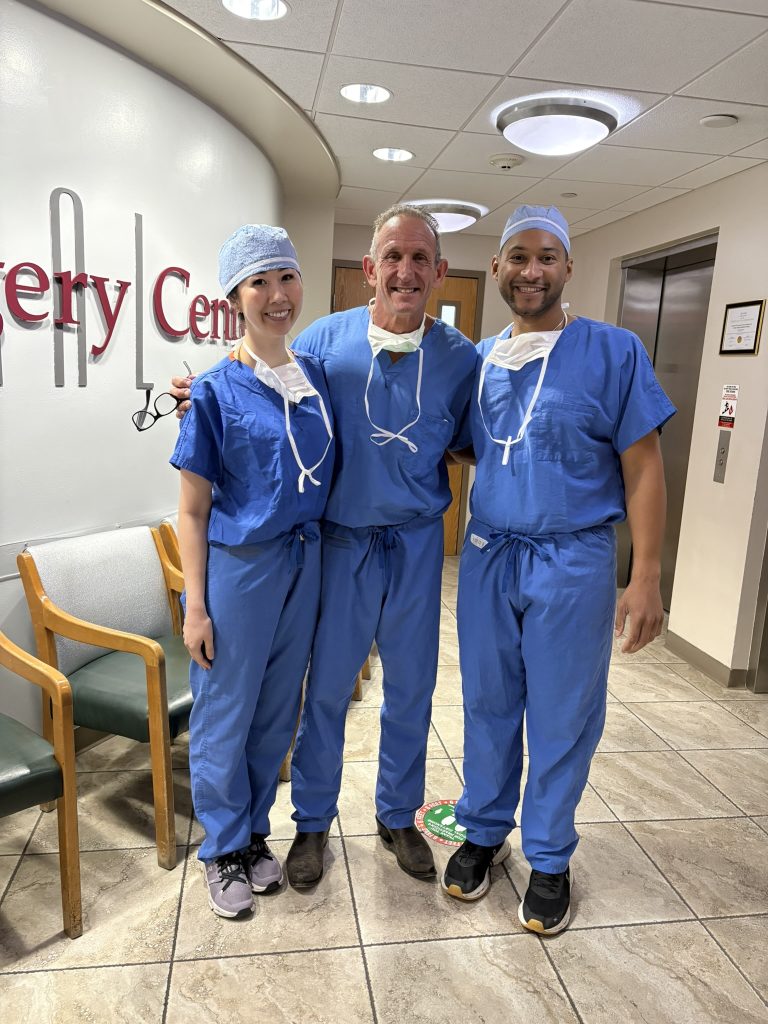
This week, we had the privilege of welcoming Dr. James Stinson of Kaiser Permanente Santa Clara and Dr. Vi Nguyen, soon to join Mount Sinai in New York after completing fellowships at the University of Washington, for an intensive one-on-one penile prosthetic training experience in Miami.
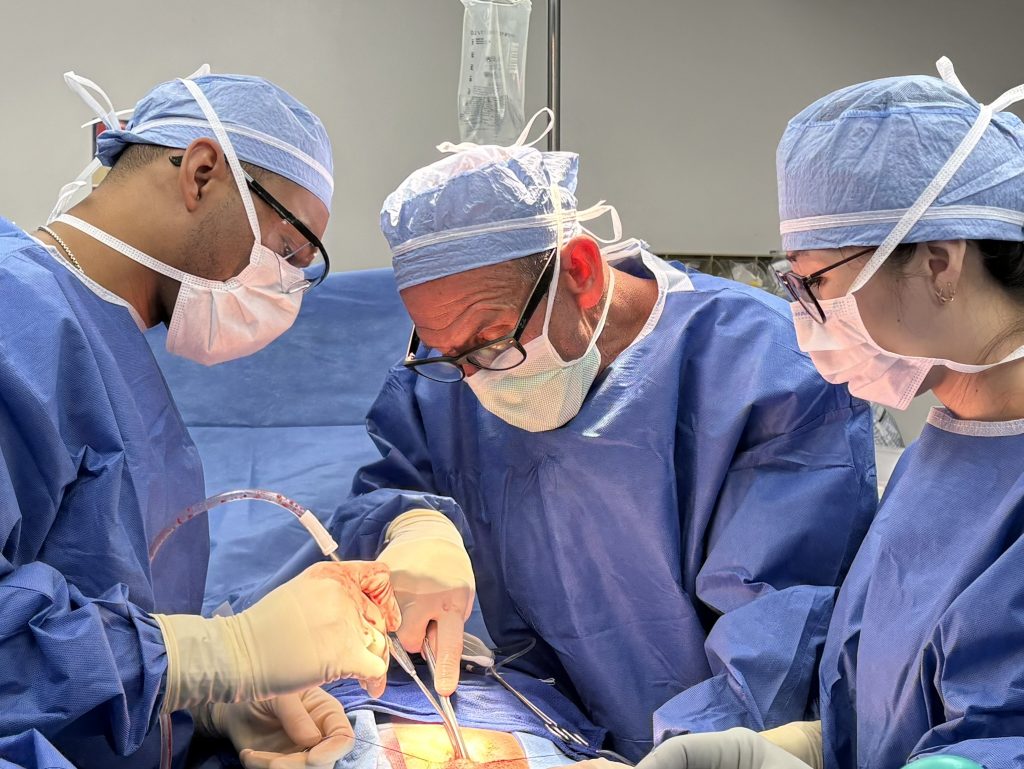
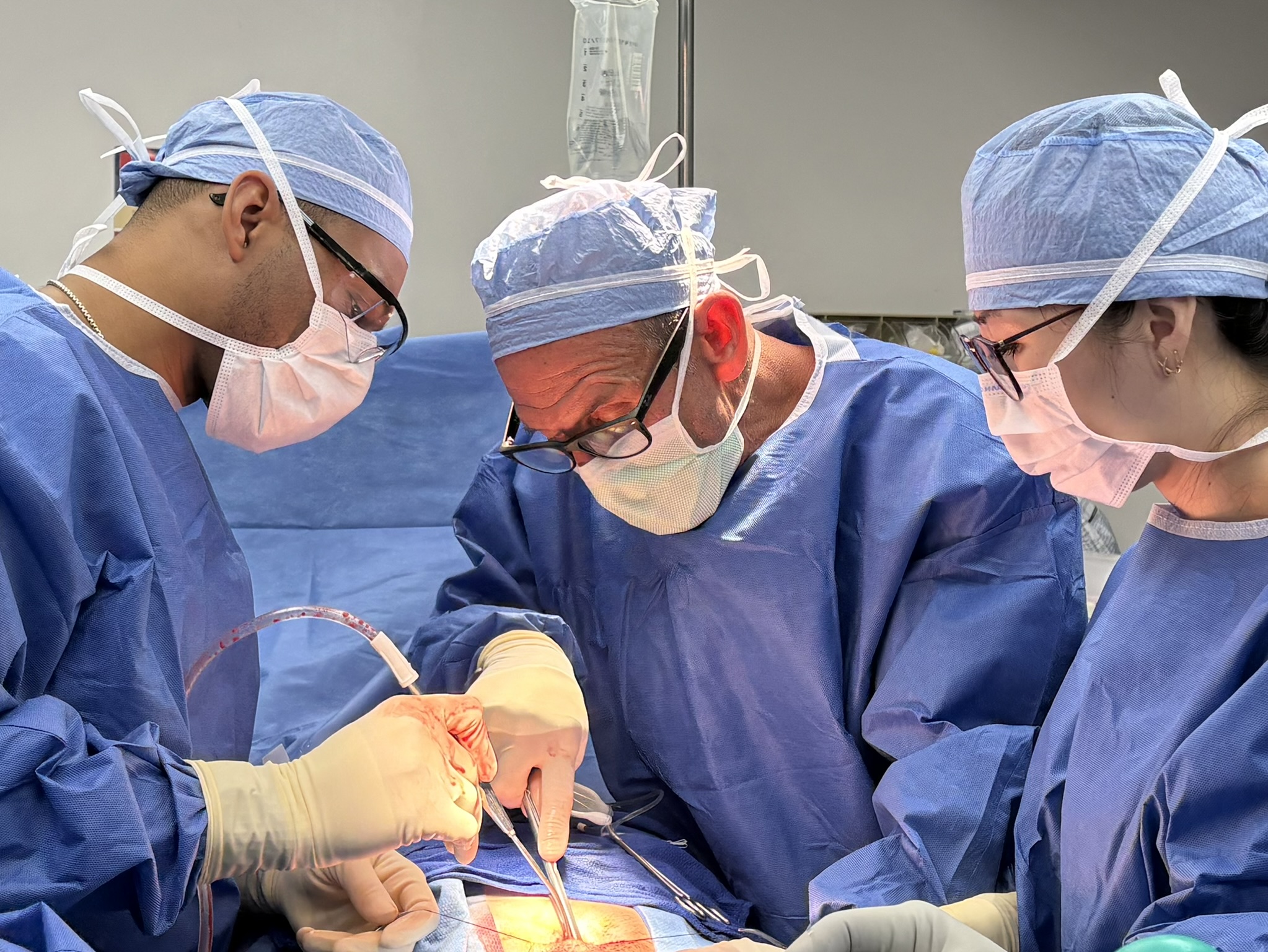
Over two days, they immersed themselves in every aspect of modern penile implant surgery. From detailed didactic discussions and surgical planning to postoperative management and complex decision-making, the curriculum was designed to provide far more than technical skills. Together, they observed six penile implant procedures, each presenting unique anatomy, challenges, and opportunities to refine the nuances of infrapubic prosthetic surgery under the guidance of our experienced surgical team.
During clinics, both physicians witnessed a sobering consultation with a man seeking a second opinion after receiving permanent penile filler injections elsewhere. The consequences were heartbreaking. Three months after treatment, he suffered dense, rock-hard nodules that could not simply be dissolved, severe skin discoloration, and significant loss of penile sensation. The permanent material had become intertwined with critical tissues surrounding the neurovascular bundle, leaving him with life-altering complications and limited reconstructive options.
It served as a powerful reminder: Permanent fillers have no place in penile enhancement.
Unlike hyaluronic acid, which is reversible and has an established safety profile when used appropriately, permanent materials such as silicone can trigger chronic inflammation, fibrosis, deformity, migration, and devastating functional complications. When these complications occur, there is often no simple solution—only difficult reconstructive surgery, and sometimes permanent disability.
As urologists, we have a responsibility not only to restore function, but also to educate patients before irreversible decisions are made. We hope Drs. Stinson and Nguyen return to their communities not only with enhanced surgical expertise, but with a renewed commitment to counseling men about the very real dangers of permanent penile fillers.
We are grateful they chose to spend these two days with our team, and we look forward to watching their careers continue to grow. The future of prosthetic urology is bright when passionate physicians dedicate themselves to mastering their craft while advocating for safe, ethical patient care.
The lesson of the week was simple: great surgery changes lives, but preventing avoidable harm is just as important.