


On this episode of Meet the Penis (MTP 114), Dr. Paul Perito tackles a question patients ask at almost every consultation:
“Which penile implant is the best?”
The question may sound simple, but the reality is more complicated.
In short: There isn’t a single “best” implant. There is, however, a best implant for a specific patient in the hands of a specific surgeon. What matters is understanding why a surgeon recommends a particular device and whether they truly understand all of them, not just the one they are most comfortable using.
In the United States today, three major manufacturers dominate modern inflatable penile prosthesis technology:
Each produces excellent, durable medical devices with high satisfaction rates and long-term clinical data. The differences are real, but they are nuanced. And that nuance is exactly where good surgical judgment lives.
A Reframe Most Patients Need
A penile implant is not a cosmetic gadget. It is not comparable to pills, injections, or shockwave therapy.
It is closer to a hip replacement or knee replacement, namely, a reconstructive prosthetic surgery designed to permanently restore function when the natural mechanism has failed.
Modern penile implants have:
- Excellent longevity
- Extremely high partner satisfaction
- Predictable rigidity
- Reliable spontaneity
So the real question isn’t which implants work; they all work. The real question is:
Which device’s engineering characteristics best match your anatomy, tissue quality, expectations, and surgeon’s operative strategy?
The Three Penile Implant Companies
Coloplast (Titan® Inflatable Penile Prosthesis)
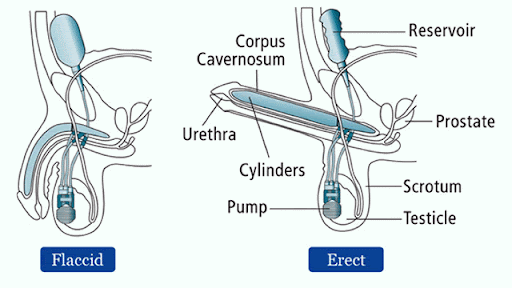
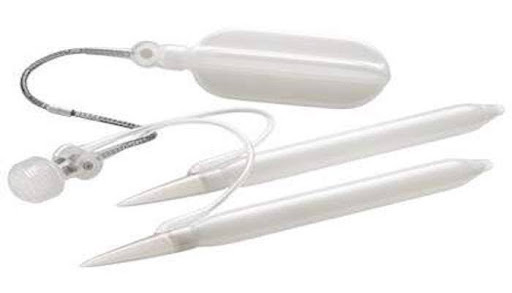
Coloplast’s Titan implant is often described as the rigidity-focused device. The cylinders use a Bioflex material that is particularly strong and resistant to aneurysmal expansion.
Typical characteristics surgeons consider:
- Very firm axial rigidity
- Strong cylinder wall structure
- Often preferred in severe erectile dysfunction
- Useful in patients with fibrosis, Peyronie’s disease, or prior implant surgery
In simple terms, some men need a penile prosthesis that behaves like a reinforced structural beam rather than a hydraulic balloon. The Coloplast Titan often fills that role.
Surgeons may prefer it when:
- Tissue is scarred
- Diabetes is advanced
- Prior injections caused fibrosis
- The penis must resist bending forces
Boston Scientific (AMS 700™ Series)
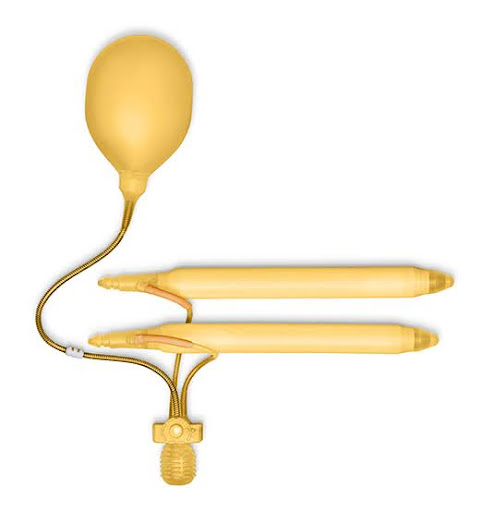
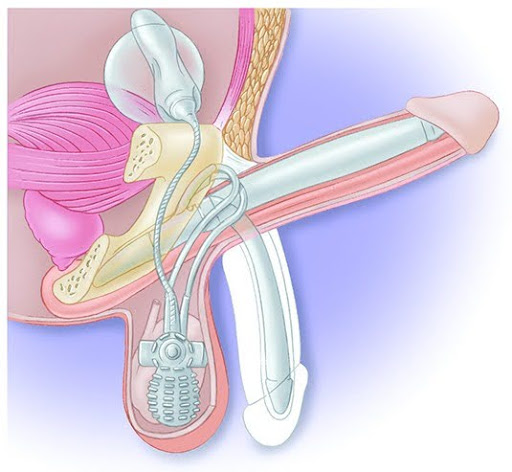
Boston Scientific’s AMS 700 family is the longest-studied penile implant platform in the world. It emphasizes controlled expansion and natural feel.
Different models exist within the system, but in general surgeons associate it with:
- Controlled girth expansion
- Softer deflated state
- More natural flaccidity
- Refined pump ergonomics
Some versions (such as length-expanding models) can provide modest tissue expansion over time in selected patients.
Think of it as a prosthesis engineered not just for erection, but also for everyday concealability and comfort.
Surgeons may prefer it when:
- Tissue quality is good
- The patient values natural appearance in clothing
- Fine control of inflation matters
- First-time implants with healthy anatomy
Rigicon (Infla10® Inflatable Penile Prosthesis)
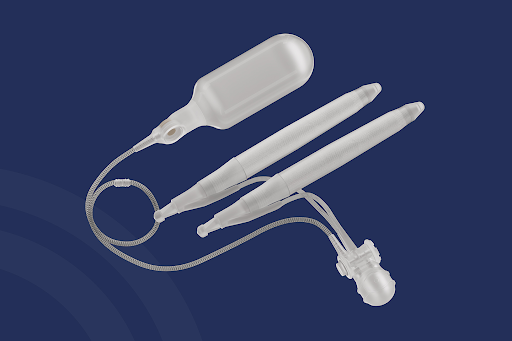
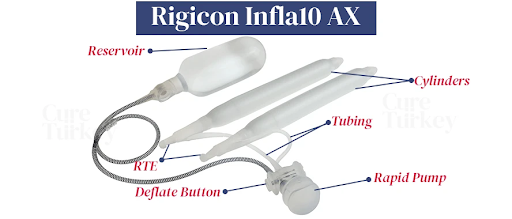
Rigicon represents the newest major entrant into the U.S. prosthetic urology space and brings design innovation and competition into a field that historically had only two manufacturers.
The device incorporates modern mechanical refinements and alternative pump ergonomics.
Why this matters:
Competition in medical devices historically leads to:
- Engineering improvements
- New sizing strategies
- Different expansion profiles
- Surgeon-specific preferences
This does not mean a question of what’s “better or worse” for patients; it means more tools available to tailor treatment.
What Determines Implant Choice
Patients often assume implant selection is a brand preference. It shouldn’t be.
A thoughtful surgeon is performing a form of prosthetic matching. They are analyzing:
- Penile length
- Girth
- Tissue elasticity
- Degree of scarring
- Peyronie’s curvature
- Diabetes severity
- Prior prostate surgery
- Manual dexterity
- Partner expectations
This is closer to fitting a custom orthopedic brace than choosing a smartphone.
The implant is simply the mechanical tool, and the outcome depends on how well the tool matches the biological environment into which it’s placed.
The Most Important Variable Is Not the Device Itself
Across multiple studies and decades of prosthetic urology experience, one factor consistently predicts outcomes better than the penile implant manufacturer:
Surgeon experience and implant volume.
An experienced implanter:
- Sizes more accurately
- Places the cylinders properly
- Positions the pump correctly
- Minimizes infection risk
- Manages complications early
Two different surgeons can implant the same device and produce dramatically different results.
The hierarchy actually should be:
- Surgeon skill and experience
- Surgical technique and planning
- Patient anatomy
- Implant selection
The implant company is fourth — not first.
The Right Question to Ask Your Surgeon
Instead of asking:
“Which implant is best?”
Ask:
“Why is this implant best for me?”
A qualified prosthetic urologist should be able to clearly explain:
- Why they chose the device
- What they expect post-operatively
- What tradeoffs exist
- What alternatives were considered
If they cannot explain the differences between the devices, that should be viewed as a red flag rather than a lack of alternative.
The Takeaway
All three manufacturers, Coloplast, Boston Scientific, and Rigicon, produce reliable, modern penile prostheses with excellent satisfaction outcomes.
In other words, the decision is not brand loyalty, it’s individualized surgical planning.
The goal of penile implant surgery is not merely an erection.
It is:
- Predictability
- Confidence
- Spontaneity
- Restoration of sexual function
And the correct implant is simply the one that allows you and your surgeon to achieve that reliably.
There isn’t one right answer.There is the right answer for you.