Every year there’s a moment in training when a young urologist stops watching surgery and finally starts understanding surgery: Not about following steps or copying movements, but rather how to think.
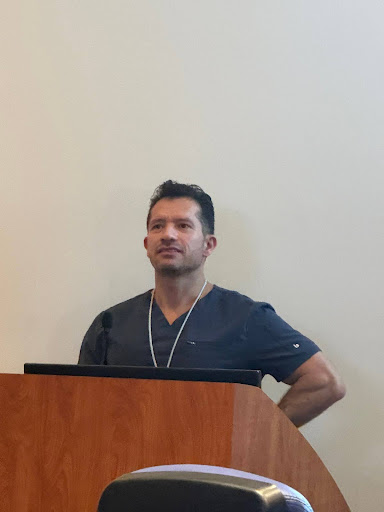
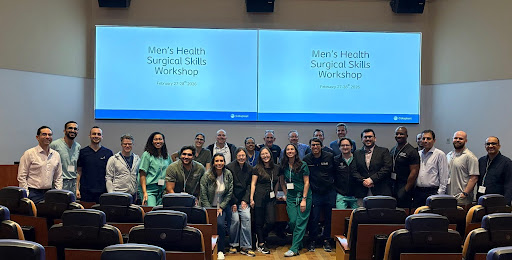
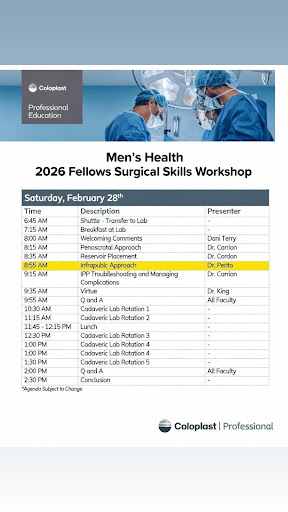
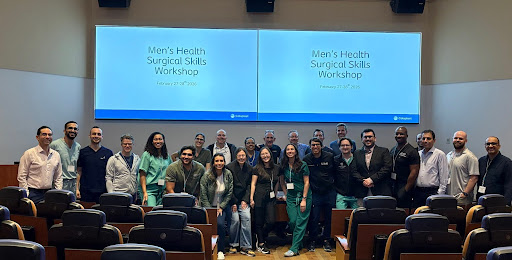
The Coloplast-sponsored International Men’s Health 2026 Fellows Surgical Skills Workshop was designed with this goal in mind. The operating room classroom was led by the team at Perito Urology, where penile prosthetic surgery has consistently proven itself as one of the most concentrated teaching environments in the world.
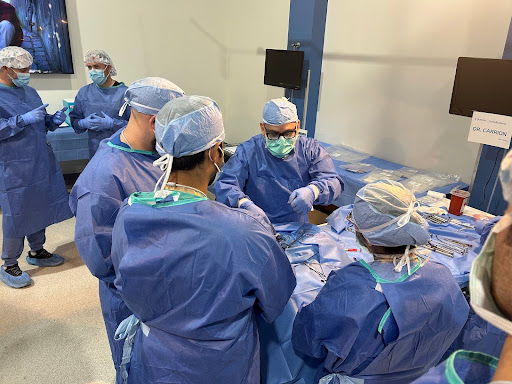
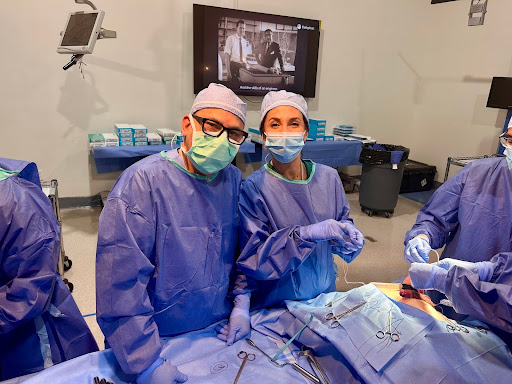
A Real Surgical Course
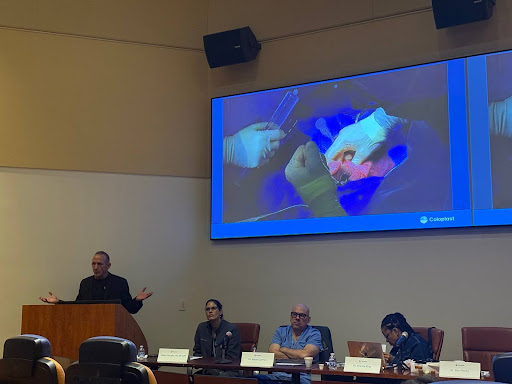
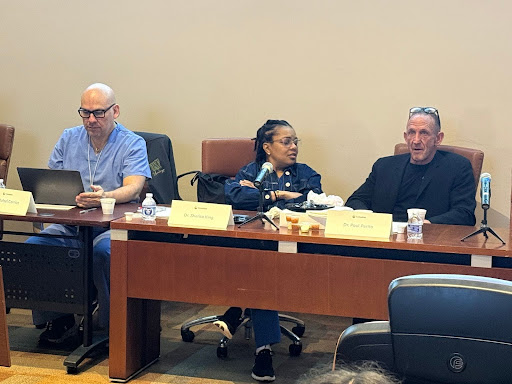
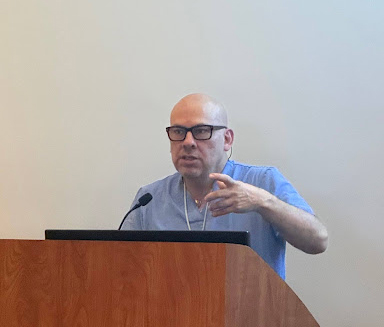
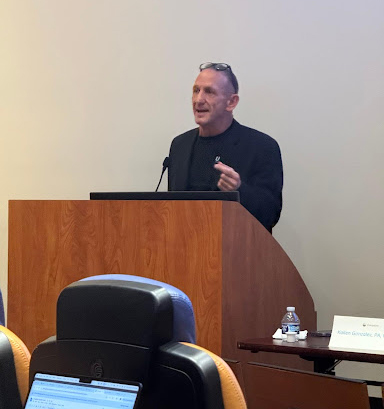
Unlike most conferences, this wasn’t just a slideshow. It was a surgical lab with didactic lectures by our world-class urologic surgeons demonstrating their knowledge of penile implant surgical strategies.
“This is where prosthetic urology is truly learned,” said Dr. Paul Perito. “Not by memorizing an incision, but by understanding why a surgeon chooses it.”
The Lesson for Penile Implant Surgeons: There Is No “One Correct Technique”
Penile implant surgery stands apart in medical science. In most operations, surgeons converge on a single standardized approach. In prosthetic urology, the opposite happens: Multiple highly refined techniques evolve, with each solving a different surgical problem.
This is why each workshop intentionally represents different surgical schools of thought, with each mentor teaching the approach they’ve spent decades mastering.
The Mentors
- Dr. Paul Perito: The Infrapubic Approach
The minimally invasive infrapubic technique has become one of the fastest-growing implant approaches worldwide. Developed and refined in Miami, it emphasizes rapid recovery, minimal scrotal dissection, and early activation. Many modern high-volume centers trace their training lineage directly back to Dr. Perito. - Dr. Carrión: The Penoscrotal Approach and Troubleshooting
The traditional workhorse of prosthetic surgery, the penoscrotal technique offers maximal corporal exposure and remains preferred by many surgeons worldwide. Fellows learned how and when it outperforms other approaches. - Dr. Cordon: Reservoir placement strategy
Modern implant surgery increasingly requires ectopic and alternative reservoir placement. Fellows practiced safe space development and avoidance of vascular and bladder injury, which is one of the most anxiety-inducing aspects of operation for new surgeons. - Dr. King: Device mechanics and intraoperative decision-making
Choosing cylinders, sizing, pump positioning, and understanding device mechanics is often what separates a satisfactory outcome from a great one. - Special International Faculty: Dr. Bernardo Cisneros (Mexico City)
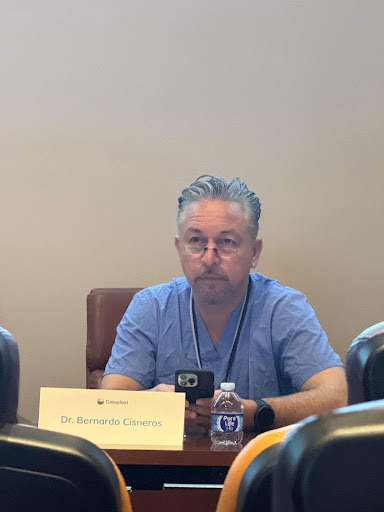
Representing the rapidly expanding Latin American prosthetic community, Dr. Cisneros provided an international surgical perspective and helped fellows understand how techniques adapt across healthcare systems and patient populations.
Why Hands-On Training Matters
A penile implant operation is mechanically simple, but judgment-dependent: Two surgeons can perform identical steps and produce completely different outcomes.
Prosthetic urology encompasses more factors than anatomy. Biomechanics, cylinder sizing, reservoir pressure, pump positioning, corporal compliance, scar tissue behavior all play a part.
These factors can’t be learned from residency textbooks; they require hands-on training from experienced surgeons.
During the cadaveric rotations, fellows performed:
- Corporotomies
- Dilation techniques
- Reservoir placement
- Pump positioning
- Approach selection
- Complication simulation
Most importantly, any mistakes were made safely and under expert guidance.
Prosthetic Urology: A Global Specialty
Twenty years ago, penile implants were a niche field. Today, they’re one of the fastest-growing areas in men’s health worldwide.
Patients are living longer, remaining sexually active longer, and expecting quality-of-life solutions. Erectile dysfunction is no longer viewed as an inevitable part of aging but as a treatable medical condition.
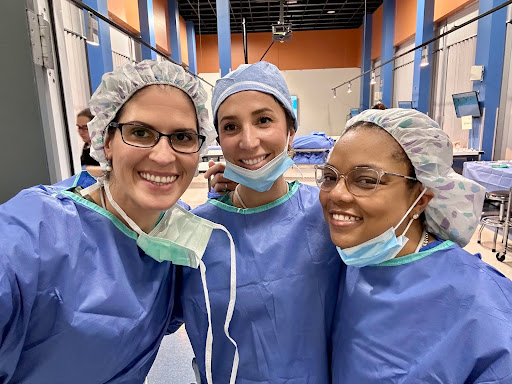
The fellows attending this course came from across the United States and the world. The Coloplast educational partnership allows surgeons to train in a standardized, safe environment before ever operating on their own patients.
This matters because prosthetic surgery has a learning curve; training reduces complications dramatically.
The Takeaway for Urologic Surgeons
Surgeons don’t leave training events like these knowing “how to do a penile implant.”
They leave knowing:
- Which approach fits which patient
- How to avoid complications
- When not to operate
- How to manage infections and revisions
- How different surgeons solve the same problem differently
Perhaps the most important takeaway for surgeons of all skill levels: Expert surgeons don’t all operate the same way, but they all follow a similar strategy. Planning, anticipation of unforeseen factors, and a commitment to patient health are all key parts of the process.
The Mission of Perito Urology
Perito Urology is more than a high-volume penile implant facility, it’s also a world-renowned training hub.
Many top-tier implant surgeons practicing today were trained directly or indirectly through our facility. The goal isn’t simply performing surgeries in the Miami area, it’s improving prosthetic care everywhere. This means life-changing results for patients benefiting from the enhanced skills and expertise of their medical providers.