Before a surgeon ever makes a perfect corporotomy, before a pump is placed properly, or before a resident places their first implant cylinder, there’s another kind of preparation.
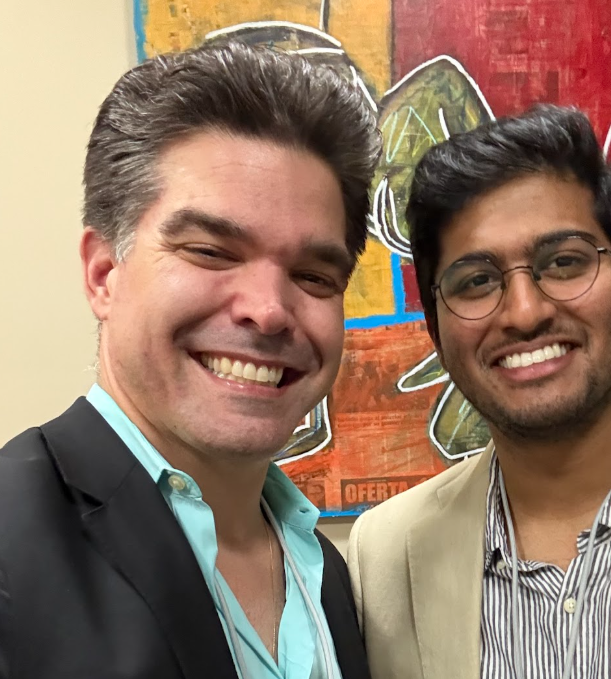
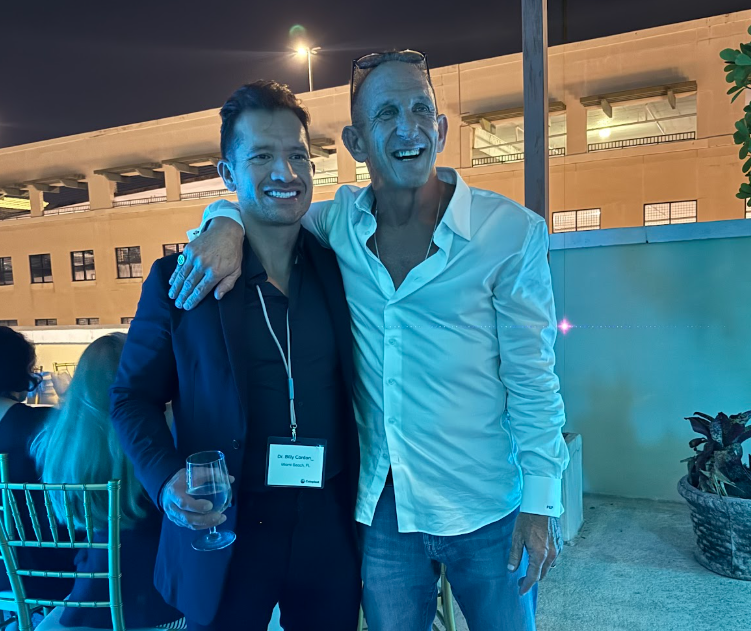
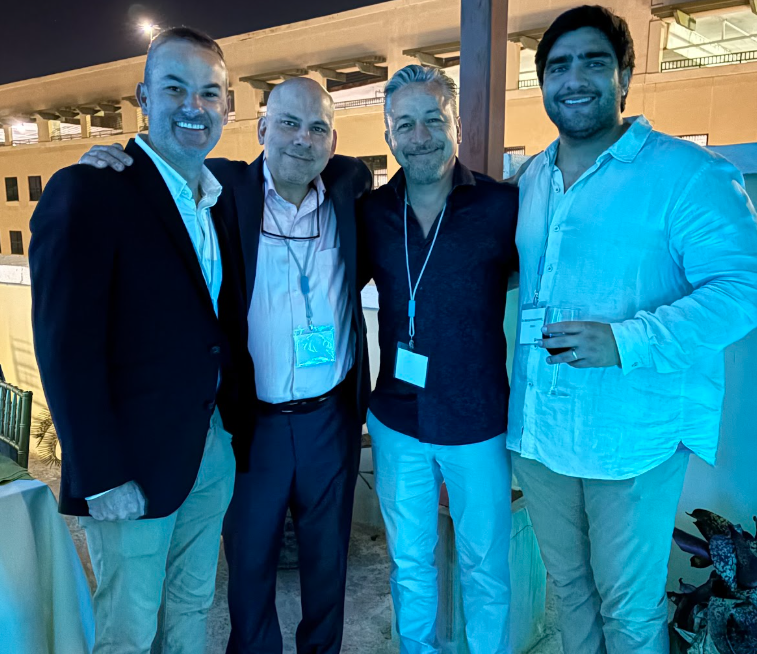
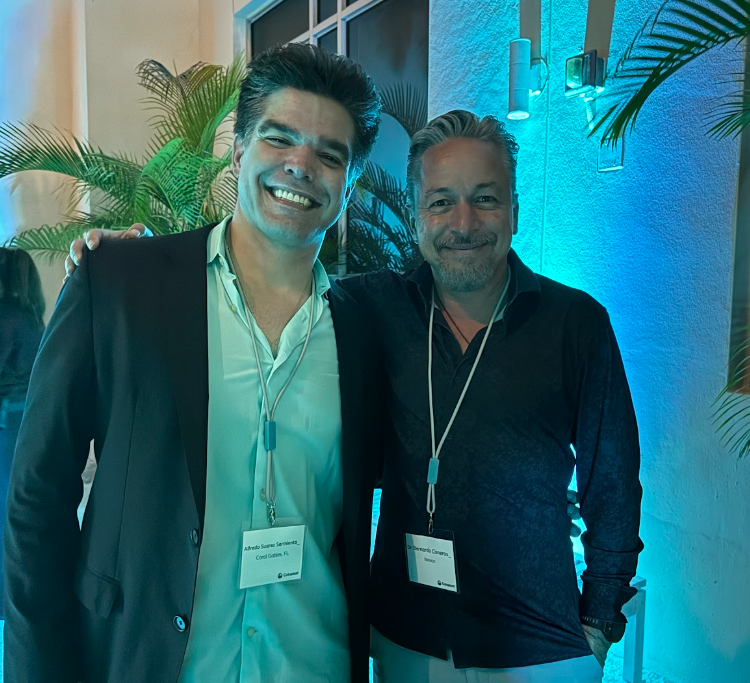
On Friday evening, Perito Urology opened its doors for the kickoff of the Resident & Fellows Surgical Skills Workshop, welcoming more than twenty trainees from across the United States and North America and, for the first time, visiting fellows from Mexico under the mentorship of prosthetic surgeon Dr. Bernardo Cisneros of Mexico City. Dr. Cisneros would join the line up of mentors including but not limited to Drs. Billy Cordon, Rafael Carrion, and Sherita King.
A Room Full of Future Prosthetic Surgeons
The gathering itself quietly demonstrated how broad the field has become. Around the room were residents and fellows representing institutions and cities spanning the continent.
There was Lester Hubble from Creighton in Omaha, Jonathan Seaman of UT Southwestern in Dallas, and William Fuell traveling from Tulane in New Orleans. A strong contingent came from Florida; Alfonso Gudino Villarreal from the University of Miami/Jackson Memorial Hospital, Nicole Matluck from Mount Sinai Medical Center of Florida, Alexandra Darien from the University of South Florida, and Ali Fathollahi from HCA Florida Kendall Hospital.
International training programs were also represented, including Ali Alkahtani and Fernanda Girardi arrived from the McGill University Health Centre in Montreal, joined by Zaher Albarqi from The Ottawa Hospital and R. Ömer Yazar from Weill Cornell in New York.
The Northeast corridor included Sharath Reddy from Yale, Anne Yin from Mount Sinai in New York, Aleksandra Walasek of NYU Langone, and Katelyn Klimowich from Jefferson Health New Jersey.
Midwestern and Southern programs were also present: Mostafa Mostafa from the University of Illinois Chicago, Nathaniel Taylor from Augusta University, and Omar El Mustafah from the University of Chicago Medical Center. Ashley Matthew came from Brown University, while Audley Osbourne traveled from Aevum Performance & Urology.
The workshop also included practicing urologists expanding into prosthetics, including Alejandro Lira Dale and Marcial Orozco Aramiz, who brought a Latin American private-practice perspective to the group.
For many of them, this was their first real exposure to prosthetic surgery outside of textbooks.
The Conversation They Don’t Get in Residency
After a clinic tour, Dr. Alfredo Suarez-Sarmiento Jr. addressed the group, where he explained a reality rarely taught during training: There are two different career paths in urology:
Inside large hospital systems and academic programs, patients are scheduled for you.
In private practice, you must build the practice yourself.
He described the mechanics behind freedom in medicine:
- Rent and overhead
- Staffing and payroll
- Malpractice coverage
- Equipment costs
- Reputation building
- Patient education
- Marketing
While residents are trained to diagnose and operate, their education does not extend to acquiring patients. Private practice isn’t harder, but it is different. You trade institutional security for autonomy. But autonomy comes with accountability, visibility, and initiative.
For many in the room, it was the first time someone had directly discussed the business side of medicine.
Dr. Perito’s Annual Address
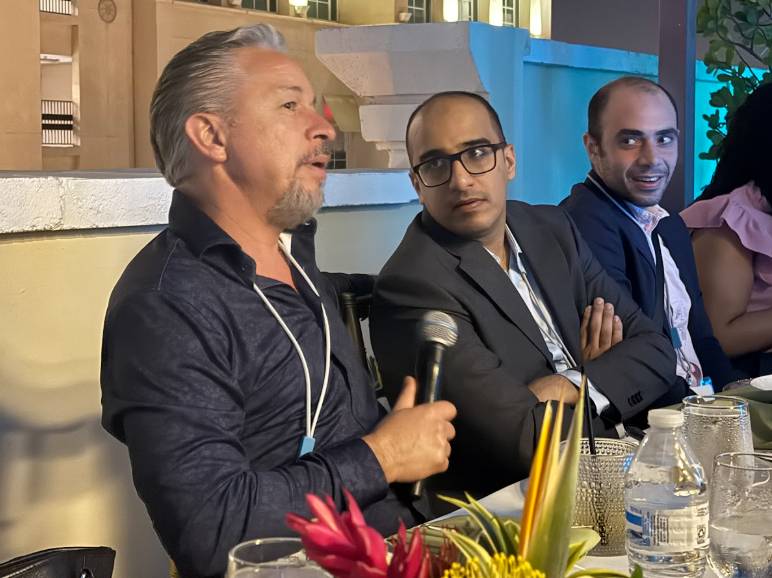
After dinner, the group gathered for the moment returning attendees had already come to expect: the annual speech from Dr. Paul Perito. He discussed how penile implants evolved from a last-resort operation into a quality-of-life solution, largely owing to how surgeons changed how they thought about treating erectile dysfunction.
His encouragement to the residents and fellows was direct: Become involved. Participate in research. Publish. Join professional organizations such as SUPS, the Society of Urologic Prosthetic Surgeons, and help modernize the field.
“Young surgeons don’t just inherit a specialty; they shape it,” he said.
The Team Matters as Much as the Surgeon
The event also emphasized something prosthetic surgery teaches quickly:
Good outcomes are created by a team, and not an individual surgeon.
Physician assistants, nurses, device specialists, and industry educators all play a critical role. Representatives from Coloplast, who sponsored the event, were present alongside Advanced Practice Providers, Kailen Gonzalez, PA-C and Mike White, PA-C who gave great insight on supportive perioperative care and patient communication. Brett Levitt, PA-C, spoke about postoperative care, which is an often underestimated component of implant success.
Levitt outlined standardized recovery protocols, patient communication, early complication recognition, and coordinated team follow-up, all of which are often overlooked in the surgical process. While an implant procedure takes less than an hour, recovery management takes weeks
Why This Night Exists
In addition to great food, drinks, and relaxed conversation, the primary purpose was to let trainees ask the questions they don’t ask in the operating room:
- How long did it take you to get comfortable?
- What mistakes did you make early?
- How do patients find you?
- How do you build trust?
The Urologic Surgery Lab
The message of the evening wasn’t just about surgical technique, but rather how to think like an experienced urologic surgeon. On Saturday morning, they would scrub in for the Men’s Health Fellows Surgical Skills Workshop, where the approaches taught by Drs. Perito, Suarez-Sarmiento, Carrión, Cordon, King, and international mentor Dr. Bernardo Cisneros would move from discussion to hands-on surgery.