Research, faculty education, and plenary discussion place patient safety, reconstructive applications, and urologic expertise at the center of penile enhancement.
By Alfredo Suarez-Sarmiento, Jr., MD, MBA
Urologist, Perito Urology | Chief Medical Officer, UroFill® International
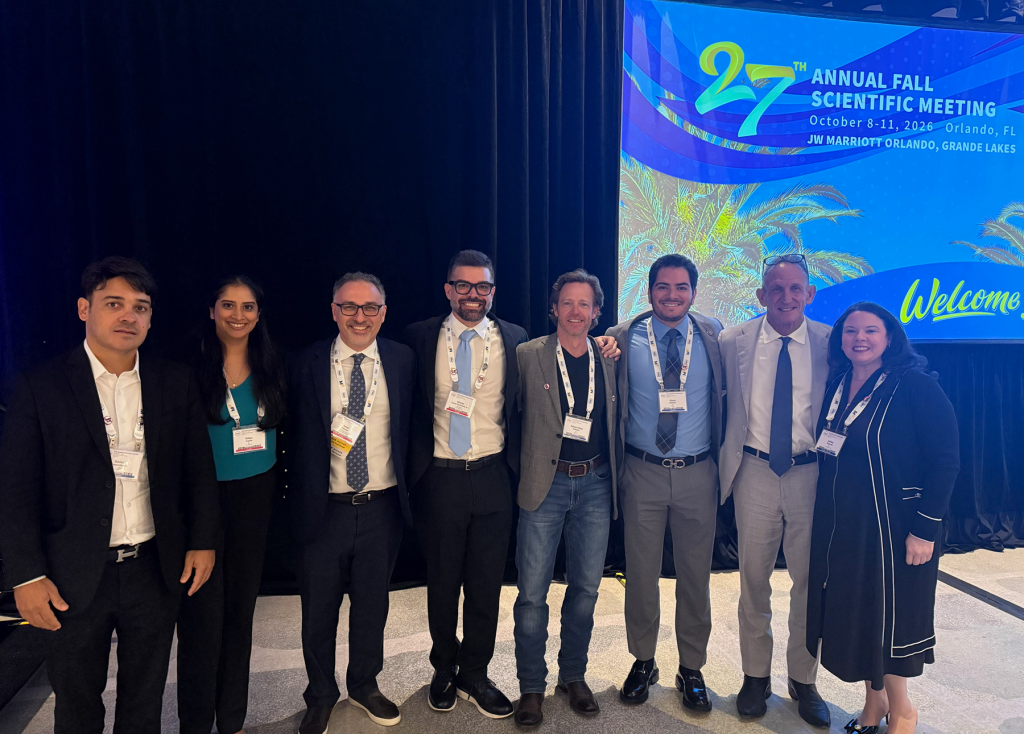
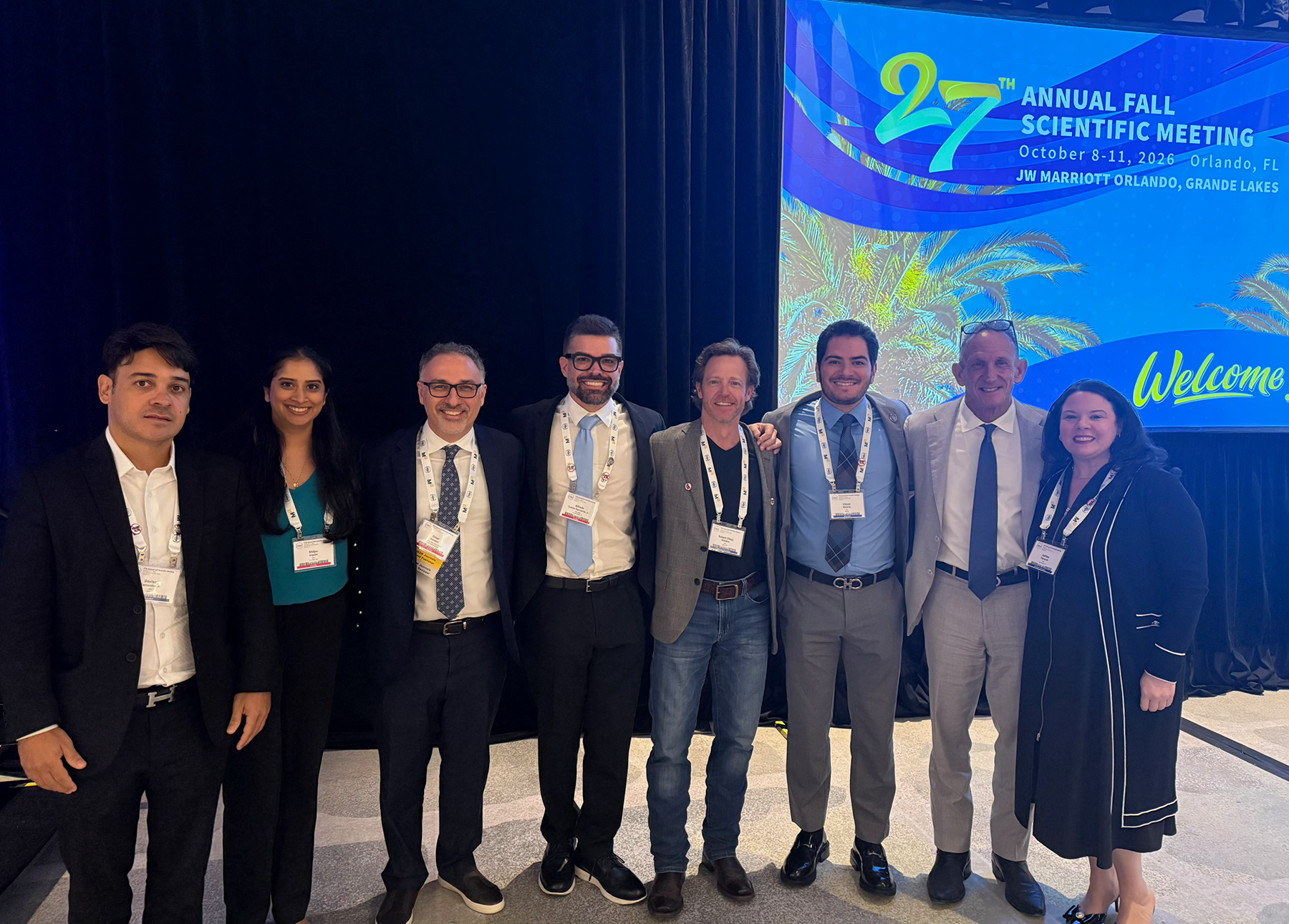
At the 27th Annual Fall Scientific Meeting of the Sexual Medicine Society of North America (SMSNA), held October 8–11, 2026, in Orlando, Florida, our team brought forward a message that extends well beyond cosmetic enhancement: the penis deserves the same anatomical precision, clinical judgment, and commitment to evidence that physicians apply to every other organ. The meeting provided a forum for research and education across sexual medicine.
Representing Perito Urology in Coral Gables, Florida, Dr. Paul Perito and I participated in research presentations and faculty discussions addressing penile contour restoration, complications of permanent fillers, injuries involving inflatable penile prostheses, patient selection, and surgical recovery.
These topics are connected by a common responsibility: helping men pursue their goals while protecting their sexual function, health, and future treatment options.
For UroFill®, this is the conversation we want to advance: Hyaluronic acid should be evaluated as another potential tool in the urologist’s clinical toolkit, with defined indications, limitations, and safeguards.
Moving the Discussion Beyond Size
Men may seek care because they are dissatisfied with penile girth. Others have contour irregularities after surgery, scarring, previous injections, or changes associated with penile prosthesis implantation. Their concerns can involve appearance, comfort, intimacy, confidence, and function.
A responsible consultation begins by understanding which problem the patient actually has.
Does he have normal anatomy and unrealistic expectations? Is there a reconstructive concern? Is an implant present? Has a previous procedure altered the tissue? Would counseling, observation, or another treatment better serve him?
Our position is that penile enhancement must be approached through a comprehensive urologic assessment. The decision to inject should follow that assessment—not substitute for it.
Oral Research: Examining Both Potential Benefits and Preventable Harm
The research discussed at SMSNA examined complementary questions: where hyaluronic acid might have a useful clinical role, what can go wrong with penile augmentation, and how surgical care can continue to improve.
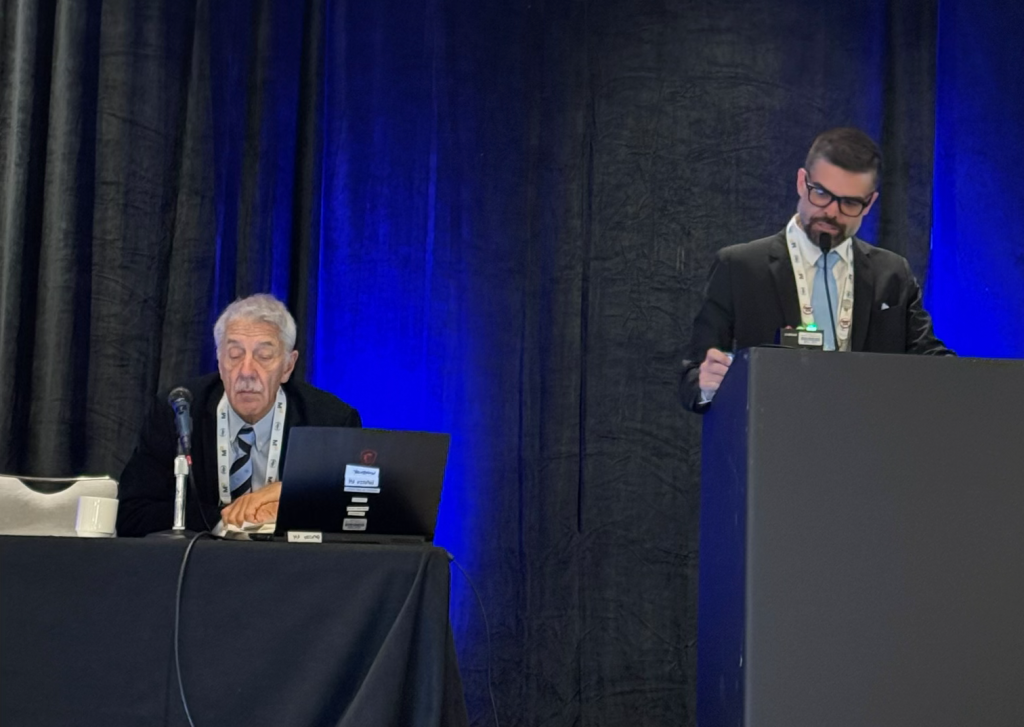
Beyond Enlargement: Hyaluronic Acid for Penile Contour Restoration in Reconstructive Urology
I presented a study that explored an important nuance: adding volume for cosmetic purposes and restoring contour in a reconstructive setting are different clinical objectives.
For selected patients, the concern may be an irregular contour, a postoperative depression, or an asymmetry that affects how the penis looks and feels. The research examined the use of hyaluronic acid as a potential approach to these problems.
The implication is worth studying carefully: An injectable material may have applications within reconstructive urology beyond elective enlargement.
That possibility does not make filler appropriate for every irregularity. The clinician must identify the underlying cause and determine whether adding material will help, or whether the patient needs another intervention.
Permanent Penile Filler Complications: A Multinational Retrospective Analysis of Presentation Patterns and Surgical Burden
I also presented research addressing the consequences of permanent penile filler complications and the burden of treating them.
The distinction between temporary hyaluronic acid products and permanent injected materials matters. Patients often encounter the word “filler” as though it describes one uniform treatment. It does not.
Different materials behave differently in tissue, and complications may create very different treatment challenges. The SMSNA’s published patient guidance strongly discourages permanent materials such as silicone and paraffin because of serious long-term complications and the potential need for complex surgical removal.
The purpose of presenting complication research is to make those consequences visible. Patients deserve to understand the potential downstream burden before choosing a procedure marketed as lasting or convenient.
Inflatable Penile Prosthesis Injury Following Cosmetic Penile Augmentation: An International Multicenter Study of an Emerging Patient Safety Concern
I also presented a study focused on an especially important population: men who already have an inflatable penile prosthesis.
A penile implant changes the procedural context. Cosmetic treatment around an implanted device requires knowledge of prosthetic anatomy and the relationship between the device and surrounding tissues.
An augmentation procedure must preserve the treatment that restored the patient’s erectile function. That responsibility should guide evaluation, technique, counseling, and follow-up.
This research brings prosthetic urology directly into the penile filler discussion. It also reinforces why a provider must ask about prior penile surgery and identify an implant before considering an injection.
The three English abstracts above appeared in the meeting’s ED Surgical Abstracts session.
Dual Closed-Suction Drainage After Inflatable Penile Prosthesis Implantation
The Spanish-language presentation, “Drenaje Dual de Succión Cerrada Tras la Implantación de Prótesis Peneana Inflable: Impacto sobre la Formación de Hematomas, la Equimosis y la Recuperación Postoperatoria,” examined postoperative recovery after penile implant surgery.
Although this study addresses surgical drainage rather than filler injection, it reflects the same clinical priority: improving the patient’s experience by examining the details of care.
The supplied program materials identify these collaborators:
| Author listed in the program | Institution listed |
| Alfredo Suarez-Sarmiento, Jr. | Perito Urology |
| Paul Perito | Perito Urology |
| Bernardo Cisneros | Hospital ABC, Mexico City |
| Gabriel Veber | Andrologia Moinhos |
| B. Suffredini | Brazil |
This collaboration connects Perito Urology in Coral Gables, Florida, with Hospital ABC in Mexico City, alongside additional contributors whose full institutional listings will be added from the final abstract.
Invited Faculty Education: Patient Selection Comes First
My invited faculty presentation, “Cosmética peniana: selección del paciente,” addressed a decision that precedes every technical step: determining whom to treat.
Patient selection requires more than asking how much girth a man wants to gain. It requires understanding his anatomy, medical and surgical history, expectations, and reasons for seeking treatment.
A meaningful consultation should address:
- Existing penile disease, prior procedures, and implanted devices.
- Whether the concern is cosmetic, reconstructive, functional, or primarily psychological.
- The limitations of treatment and the possibility of complications.
- The patient’s ability to participate in follow-up.
- Whether proceeding serves the patient’s interests.
The ability to decline or defer treatment is part of clinical expertise. Sometimes the most valuable outcome of a consultation is a better understanding of normal anatomy, a more realistic goal, or a referral for additional evaluation.
Dr. Paul Perito’s Plenary Panel: When Should a Functioning Penile Implant Be Revised?
Dr. Paul Perito participated in the plenary panel “Fix It or Leave It Alone? When Is It Appropriate to Revise a Functional Penile Implant,” alongside:
- Jonathan Clavell Hernandez, MD
- Sherita King, MD
- John Mulcahy, MD, PhD
The panel addressed a nuanced question: a device may function, yet the patient may still have concerns that warrant evaluation.
Whether revision is appropriate depends on the nature of the problem, the anticipated benefit, and the risks of another operation. That requires judgment grounded in prosthetic experience and careful patient counseling.
This discussion belongs alongside our filler research because both involve the same principle: an intervention should be chosen for a clearly defined patient need, with attention to what must be preserved.
Why We Advocate Urologist-Led Penile Girth Enhancement
At UroFill®, we advocate that the UroFill® technique be performed by appropriately trained urologists. We also believe penile girth enhancement more broadly requires the depth of penile knowledge that comes from urologic training and focused procedural experience.
This is our clinical position—not a claim that SMSNA has issued a universal urologist-only requirement.
The penis contains closely related structures responsible for sensation, blood supply, urination, and erection. Prior surgery, scarring, disease, and implanted devices can further complicate that anatomy.
The person performing an enhancement procedure must understand what lies beneath the injection site, recognize when anatomy is abnormal, and know how to respond if something goes wrong.
A professional title alone is insufficient. Urologic expertise must be paired with specific training, appropriate facilities, sound patient selection, and a plan for complications.
The strongest standard asks whether the clinician can evaluate the whole patient, perform the procedure appropriately, recognize harm early, and arrange the care needed to address it.
Serious Complications Demand Serious Expertise
Patients should never be encouraged to equate a brief procedure with a trivial procedure.
Penile augmentation complications can affect tissue integrity, sensation, sexual function, and implanted devices. The potential for severe harm makes anatomical knowledge and clinical accountability essential.
Concern about catastrophic injury—including potentially fatal complications in the broader injection setting—should strengthen the demand for responsible practice. It should not be used to imply that every material or technique carries the same risk, or that any provider can guarantee a risk-free outcome.
Our message is straightforward: the clinician’s responsibility extends beyond delivering a cosmetic result. It includes protecting function, recognizing complications, and supporting the patient after treatment.
Research Participation Is a Responsibility to Keep Building Evidence
Presenting at SMSNA creates an opportunity for scrutiny, discussion, and further investigation. Conference participation does not constitute society endorsement of a commercial technique.
SMSNA’s published guidance emphasizes careful counseling, psychological assessment, and the need for stronger safety and efficacy evidence in cosmetic penile enhancement.
Our work should be judged within that framework. Research must distinguish materials and techniques, document adverse events, identify appropriate candidates, and examine outcomes over time.
Dr. Perito and I previously addressed these priorities in our Journal of Sexual Medicine perspective, “Standardization, safety, and the future of cosmetic penile enhancement.” That publication identified both authors with Perito Urology in Coral Gables and argued for a more disciplined, accountable approach to this field.
The next step is continued evidence generation, including clearer outcome measures and longer follow-up.
Changing the Conversation About Men’s Health
Men deserve to have their concerns heard without embarrassment or dismissal. They also deserve honest advice about when treatment may help, when it may disappoint, and when it should be avoided.
Our contribution at SMSNA 2026 brought cosmetic concerns into conversation with reconstructive urology, penile prosthetic surgery, patient selection, and complication prevention.
That is the direction we want this field to take.
Hyaluronic acid can be considered another tool in the urologist’s toolkit. Its value depends on the patient, the indication, the technique, and the clinician’s judgment.
For Perito Urology and UroFill®, advancing men’s health means continuing to study these questions, sharing what we learn, and holding penile enhancement to a standard worthy of the patients who trust us.