
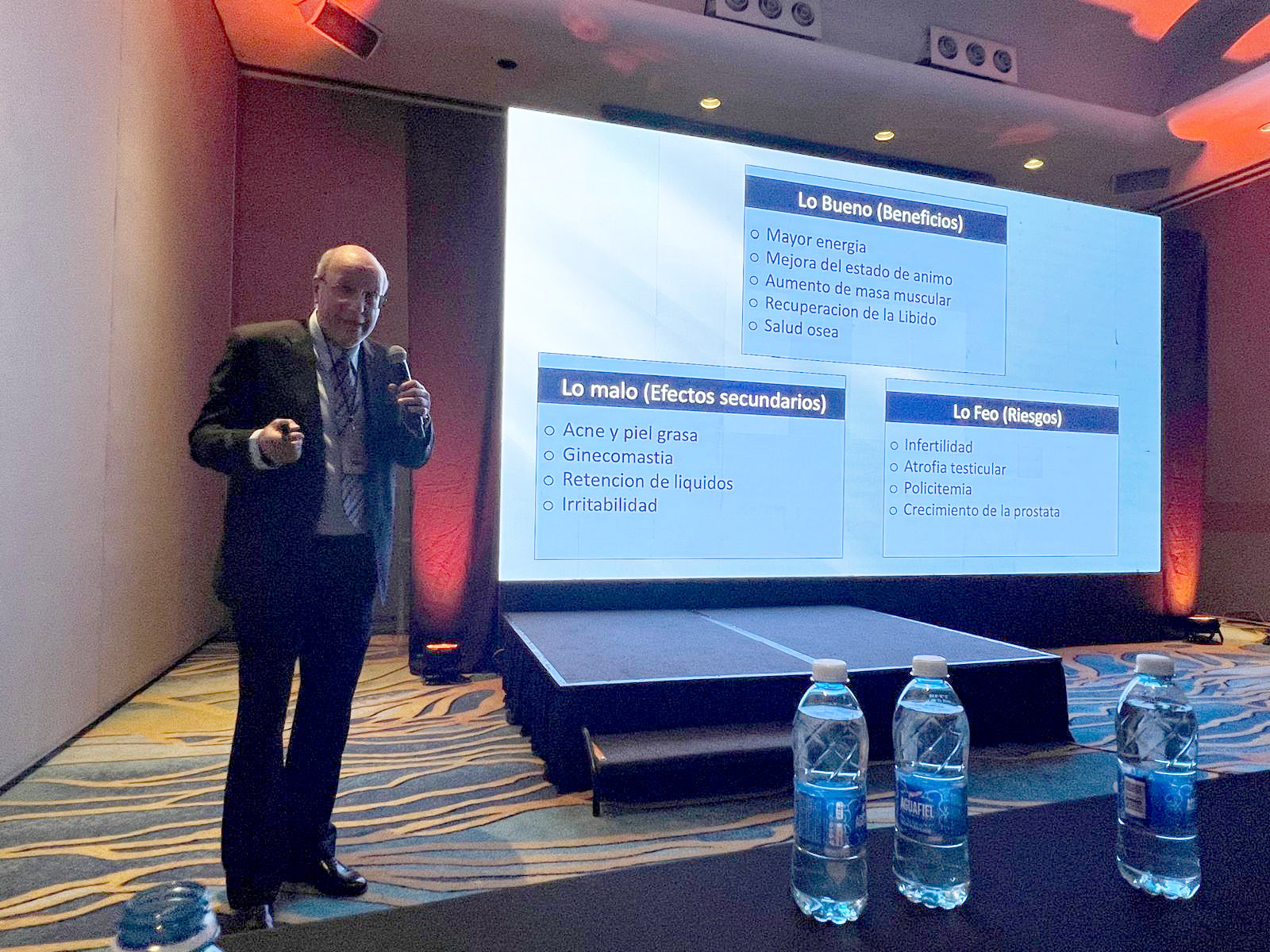
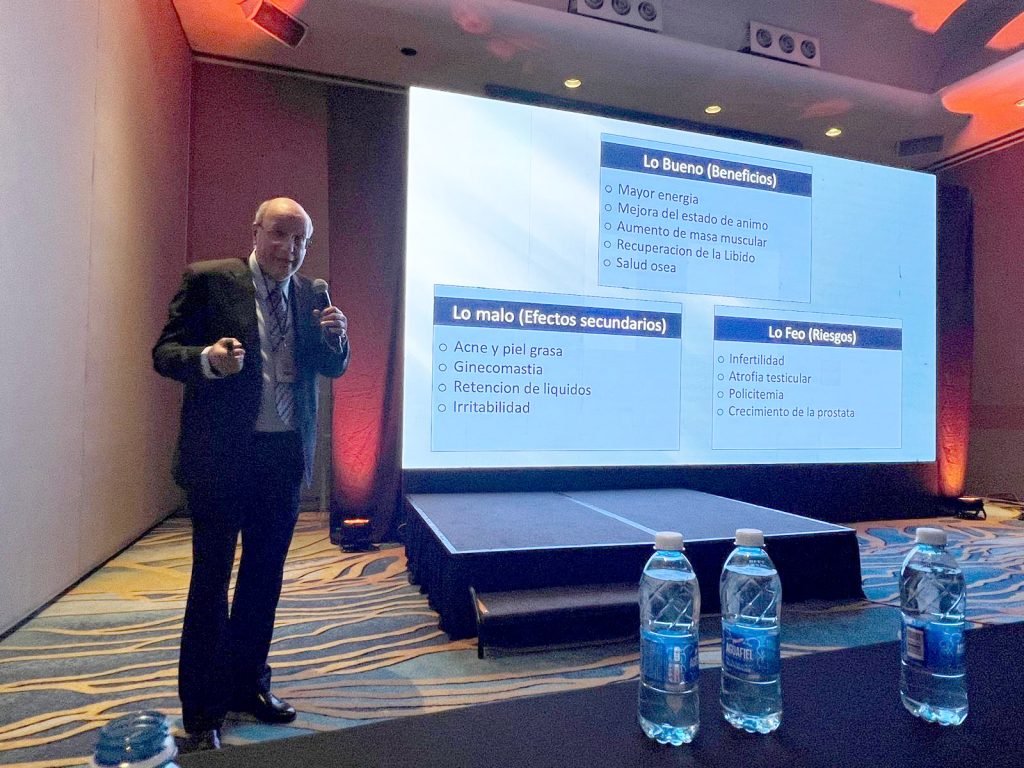
Three presentations connected permanent filler complications, patient counseling, and the potential role of hyaluronic acid beyond penile enlargement.
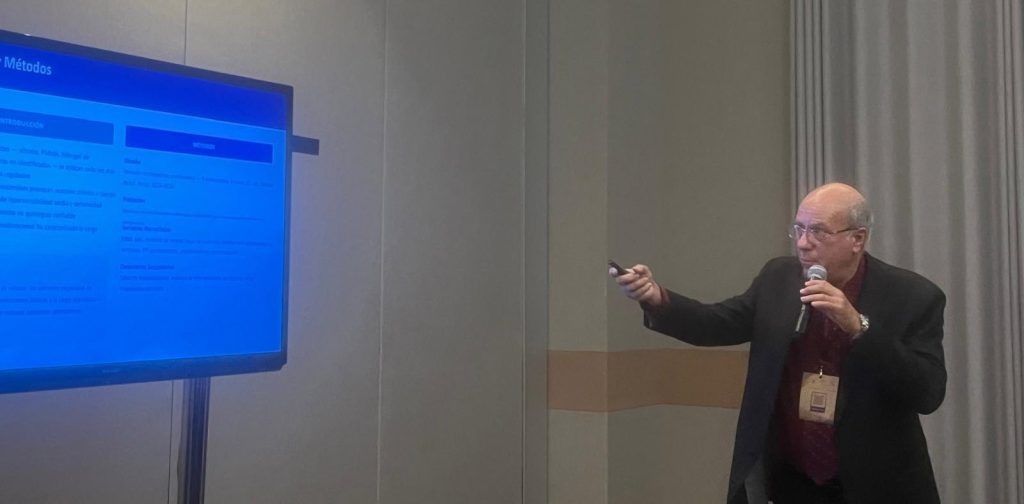
Sexual health deserves conversations grounded in science, compassion, and an understanding of the person behind the concern. That approach guided Dr. Antonio Guerra’s participation on behalf of Perito Urology at the XV Congreso Nacional de Educación Sexual y Sexología, held October 28–30, 2026, in Mexico City.
The meeting took place alongside the XXIII Congreso Latinoamericano de Sexología y Educación Sexual, known as CLASES 2026. Bringing together the Federación Mexicana de Educación Sexual y Sexología (FEMESS) and the Federación Latinoamericana de Sociedades de Sexología y Educación Sexual (FLASSES), the congress centered on “Justicia Sexual”—sexual justice—and provided a setting for interdisciplinary education about sexual health, rights, and clinical care.[1]
Dr. Guerra delivered three presentations addressing closely connected subjects: complications of permanent penile fillers, counseling before male genital cosmetic procedures, and the use of hyaluronic acid fillers beyond enlargement in selected penile conditions. Together, these topics reflect Perito Urology’s commitment to bringing genital aesthetic medicine into a broader conversation about function, informed decisions, and long-term health.
Permanent Penile Fillers: Understanding the Consequences
The promise of a permanent result can be appealing. Patients also need to understand what permanence means when an outcome is painful, irregular, or difficult to correct.
Dr. Guerra addressed complications associated with permanent penile fillers, continuing a topic also presented by the team at the Sexual Medicine Society of North America (SMSNA). The FEMESS program listed the presentation as “Complicaciones de los rellenos permanentes del pene: análisis retrospectivo multinacional de los patrones de presentación y la carga quirúrgica.”[2]
Its focus brings attention to a critical issue: The burden of treating complications after a cosmetic intervention. Counseling must extend beyond the initial injection to the possibility of later evaluation, corrective procedures, and surgery.
[quote box] Counseling must extend beyond the initial injection to the possibility of later evaluation, corrective procedures, and surgery. [/quote]
The FDA cautions that removing fillers can require injections, surgery, or other interventions, and that some materials—particularly permanent fillers—may be difficult or impossible to remove. Complications can also emerge long after treatment.[3]
For patients, the practical lesson is straightforward: know exactly what is being injected, why it was selected, and what options exist if a problem develops. “Permanent” describes how long a material may remain; it does not guarantee a lasting benefit.
Patient Counseling Comes Before A Genital Cosmetic Procedure
A man seeking a genital cosmetic consultation may be expressing concerns about appearance, confidence, intimacy, or changes after previous treatment. Those concerns deserve respectful attention and a careful medical assessment.
Dr. Guerra’s second presentation focused on counseling before male genital cosmetic procedures. At Perito Urology, this conversation is an essential part of deciding whether treatment is appropriate.
"Good counseling gives patients room to ask questions, consider alternatives, and make a decision without pressure."
A meaningful consultation should establish:
- What the patient hopes to change and whether the goal is achievable.
- Whether the concern involves appearance, function, discomfort, or a combination.
- How previous surgery, implants, injections, and existing conditions affect the options.
- The expected treatment course, recovery, costs, limitations, and possible complications.
- Whether observation, another treatment, or additional evaluation would better serve the patient.
Patients should understand that a change in girth does not necessarily improve erections, sexual satisfaction, or relationship concerns. Screening for unrealistic expectations or significant body-image distress helps identify when additional support may be more beneficial than a procedure.
Good counseling gives patients room to ask questions, consider alternatives, and make a decision without pressure. Sometimes the most valuable outcome of a consultation is clarity.
Beyond Enlargement: Hyaluronic Acid in Selected Penile Conditions
Dr. Guerra’s third presentation explored the potential use of hyaluronic acid fillers in the management of selected penile conditions, broadening the discussion beyond size alone.
This is an important distinction. A patient seeking elective girth enhancement and a patient seeking help with a contour defect or a problem after prior treatment may need very different assessments. The treatment plan must follow the diagnosis.
"What problem are we treating, what benefit is realistic, and how will we judge whether the patient is better?"
Hyaluronic acid can add soft-tissue volume, but its potential role in a particular penile condition requires individualized evaluation, attention to available evidence, and an honest discussion of uncertainty. It should not be presented as an established cure for penile disease or a substitute for indicated reconstructive or prosthetic surgery.
The clinical question is more useful when it becomes specific: What problem are we treating, what benefit is realistic, and how will we judge whether the patient is better?
Where UroFill® Fits
Developed by Dr. Paul Perito, UroFill® is a patented technique for penile girth enhancement using hyaluronic acid fillers. It is part of Perito Urology’s approach to male genital aesthetics and patient education.[4]
The UroFill framework emphasizes treatment by trained urologists, standardized protocols, staged care, and follow-up. This reflects the practice’s position that penile enhancement requires detailed knowledge of penile anatomy, sexual function, prior surgery, and complication management.
"The UroFill® framework emphasizes treatment by trained urologists, standardized protocols, staged care, and follow-up."
Hyaluronic acid also differs from permanent filler materials because it can often be reduced with hyaluronidase when clinically appropriate. That option does not make treatment risk-free or guarantee complete reversal of every complication.
In the United States, penile injection of hyaluronic acid fillers is an off-label use; FDA approval for a product’s facial or hand indications does not establish approval for penile treatment.[3] Patients should understand that distinction as part of informed consent.
Connecting Urology and Sexual Health Education
The FEMESS and CLASES congress offered an opportunity to connect a urologic perspective with the wider fields of sexology and sexual health education.
Dr. Guerra’s three presentations shared a common responsibility: helping patients make informed decisions while advancing thoughtful clinical discussion. Understanding permanent filler complications, improving counseling, and evaluating emerging applications of hyaluronic acid all contribute to that goal.
Perito Urology is proud of Dr. Antonio Guerra’s participation and his contribution to international education. Through clinical care, research, and collaboration, our team continues to advocate for an approach to male genital health that respects patient concerns and holds treatment to a careful medical standard.
Considering UroFill, concerned about a previous filler treatment, or seeking guidance about penile health? Contact Perito Urology for an individualized consultation.
Sources
- FEMESS / CLASES 2026 official congress website
- Official CLASES 2026 academic program, page 27.
- FDA: Dermal Fillers (Soft Tissue Fillers)
- Perito Urology: UroFill® Procedure for Penile Girth Enhancement
Editorial note: Dr. Guerra’s affiliation, attendance, and three presentation topics were supplied by Perito Urology. The public program independently confirms the permanent filler presentation; descriptive headings above are not presented as the official titles of the other two talks.